

🤯Brain Bridge’s Head Transplant Machine Sci Fi or Reality! Ever Woken Up and Thought, “Man, I Really Need a New Head?”
No? Just me? Well, get ready to question your sanity because a company called BrainBridge is about to blow your mind—literally. We’re talking about head transplants here, people. Yes, actual head transplants. And if you can’t afford a head transplant better to lose weight, eat healthy and drink seasonal juices to take all optimal nutrition. So, you wouldn’t reach that point to transplant your head. This isn’t the plot of a dystopian movie or an episode of Black Mirror. Nope, it’s real life. And if you haven’t heard about it yet, buckle up, because what BrainBridge is working on could redefine medical science as we know it.
The Sci-Fi Reality of BrainBridge
🤯Brain Bridge’s Head Transplant Machine Sci Fi or Reality! If you’re thinking this sounds like a wild sci-fi fantasy, you wouldn’t be wrong—except for the “fantasy” part. BrainBridge, a Vancouver, USA-based startup, is pioneering something so mind-bending, it feels straight out of a futuristic novel. But their goal is real and grounded in advanced biomedical engineering. They aim to help patients suffering from untreatable conditions such as stage-4 cancer, paralysis, spinal cord injuries, and neurodegenerative diseases like Alzheimer’s and Parkinson’s—by giving them new, functional bodies through head transplants.
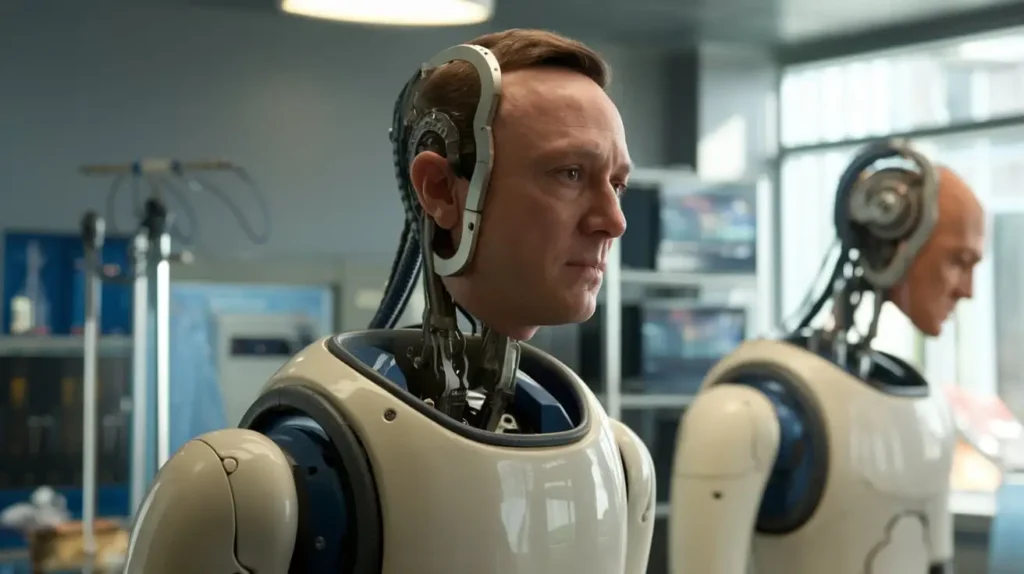
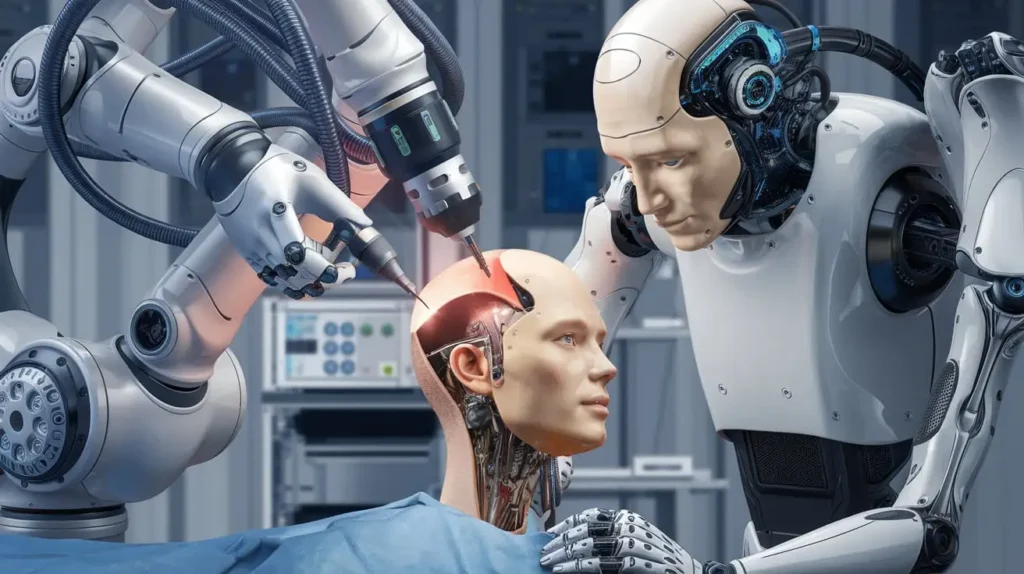
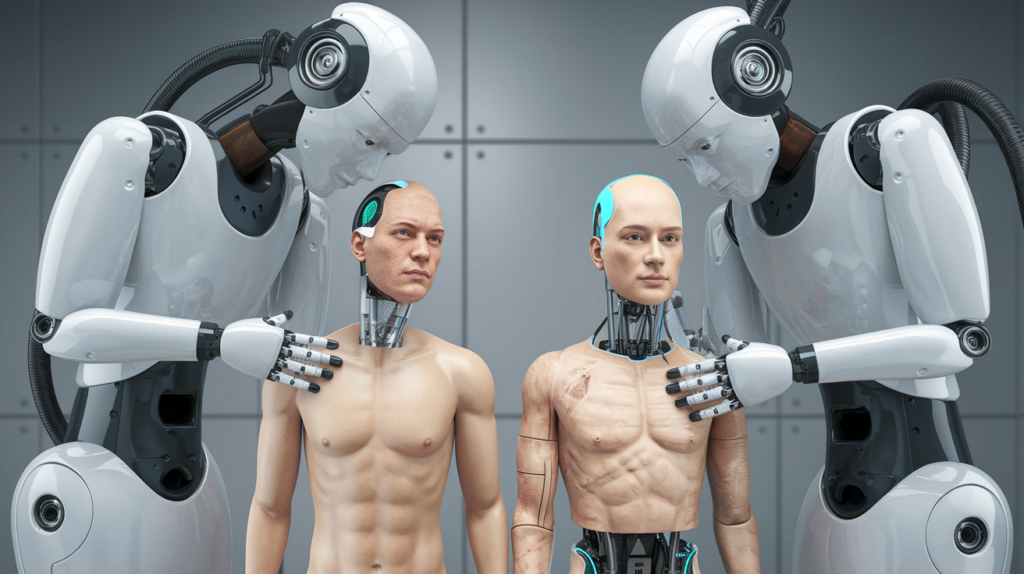
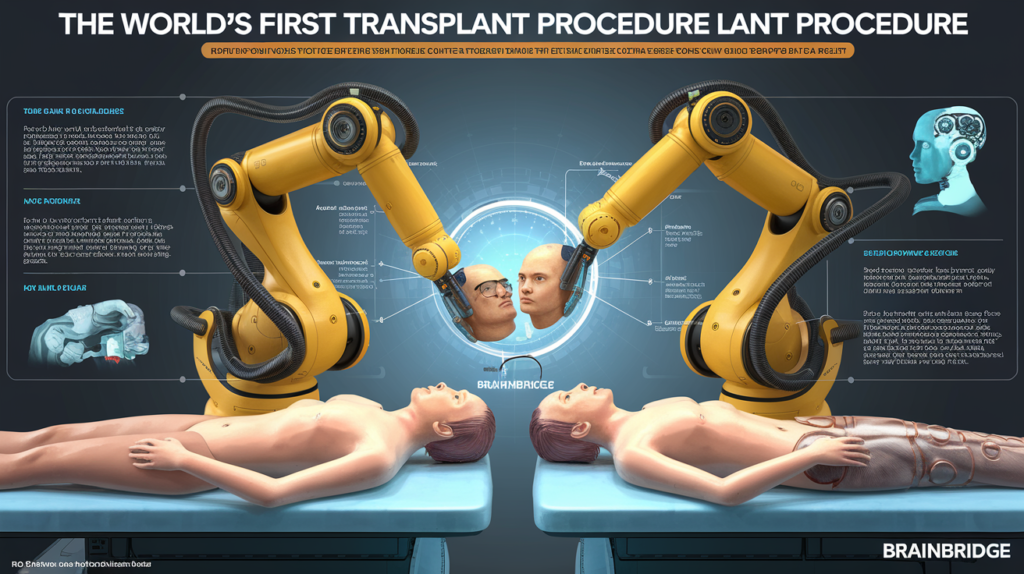
Yes, you read that right. BrainBridge claims it will eventually allow patients to transplant their heads onto healthy, brain-dead donor bodies to preserve their consciousness, memories, and cognitive abilities. If you think that sounds insane, then you should watch their video. It showcases two autonomous surgical robots performing simultaneous surgeries on two robotic bodies. These robots remove the head from one robot and transplant it onto another robotic body—and the whole process looks incredibly legit.
A Revolution in Medicine, or Mad Science?
BrainBridge is spearheading an entirely new frontier in medical treatment, with its first head transplant surgery projected to take place within the next eight years. Co-founded by Ali Dibai, the company has been operating in stealth mode until now, choosing this moment to introduce the world to its revolutionary, and possibly controversial, vision.
The premise is ambitious: transfer a person’s head, containing the brain, onto a new, healthy body while maintaining their consciousness, thoughts, memories, and cognitive faculties. This procedure could offer new hope to people who otherwise have no other medical options. And BrainBridge doesn’t just stop at this bold claim—they back it up with a mind-boggling level of detail that makes the entire concept feel more believable (and terrifying).
How It Works: The Nuts and Bolts of a Head Transplant
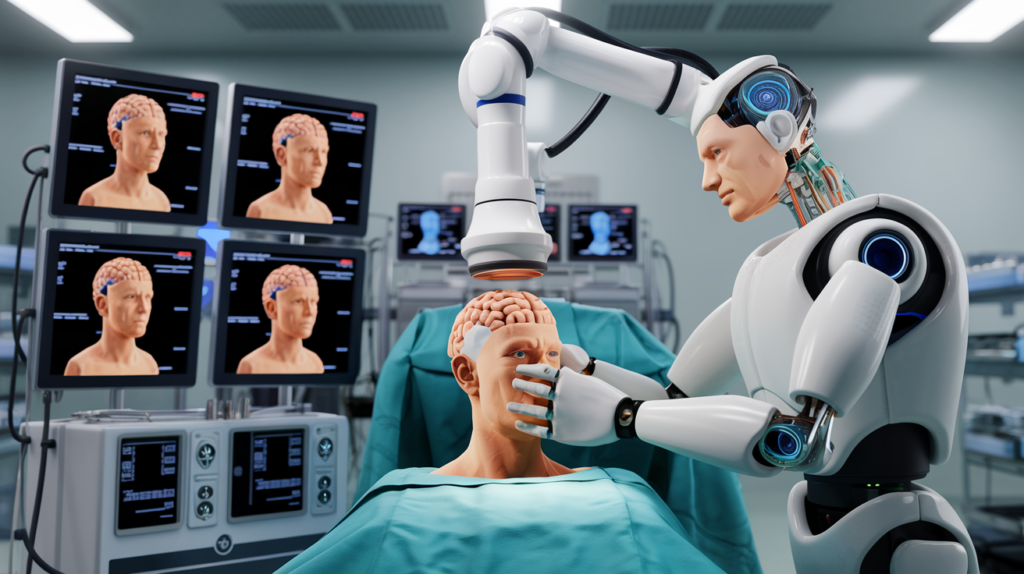
The process involves two patients: a recipient (the person whose head will be transplanted) and a donor (a brain-dead individual with a functional, healthy body). Using advanced robotics and artificial intelligence, BrainBridge envisions creating an automated surgical environment in which everything from spinal cord detachment to reattachment is done with precise, high-speed accuracy.
The robots used in this process are built to be faster and more accurate than human surgeons could ever be. And why do they need to be? Well, time is crucial when you’re separating and reattaching spinal cords, blood vessels, and nerves, all while ensuring the brain is kept alive and functional. BrainBridge’s robots aim to minimize brain cell degradation, prevent clotting, and maintain the structural integrity of both the head and the donor body throughout the procedure.

The Cold Science of Cool Transplants
One of the fascinating aspects of the process is that both the donor body and recipient head are cooled to approximately 5°C to prevent potential brain damage. BrainBridge utilizes real-time molecular-level imaging systems to monitor and guide the procedure, ensuring that key structures like the spinal cord, arteries, and veins are all properly managed.
The head transplant begins with simultaneous tracheotomies for both patients to enable mechanical ventilation and steady oxygen flow. After the donor and recipient bodies are sufficiently prepared, BrainBridge’s AI-powered robots carefully separate the head from the recipient’s body. A specialized plasma solution is introduced to keep the brain oxygenated and safe during the procedure. The head is then reattached to the donor body, with an AI ensuring seamless integration.
Fusing Brains and Bodies: The Cutting Edge of Surgery
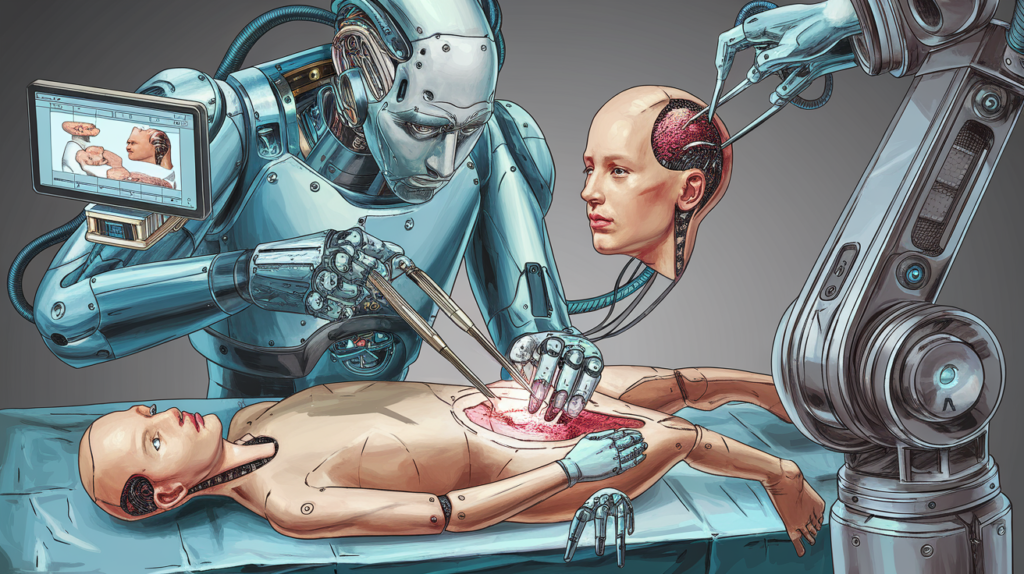
What happens next is even more astounding. After the head is connected to the new circulatory system and the donor body starts supplying oxygenated blood, BrainBridge’s high-precision instruments and AI-guided microsurgery techniques get to work reconnecting the spinal cord, nerves, trachea, esophagus, and blood vessels.
BrainBridge uses a proprietary chemical adhesive called polyethylene glycol at the fusion point of the spinal cord, which helps facilitate the reconnection of neurons. This crucial step is essential in re-establishing the sensory and motor pathways that will allow the brain to control the new body. To further support this process, an implant is inserted near the spinal cord fusion point to help regenerate neurons and ensure proper neural connections are made between the brain and the donor body.
A New Face, A New You
Once the critical connection is completed, the patient undergoes a full face transplant. Muscles, soft tissues, and skin are transplanted from the donor’s face onto the recipient, offering the additional bonus of rejuvenation—particularly if the donor’s body and face are younger than the recipient’s. This new face isn’t just about aesthetics; it’s about restoring full functionality to the recipient’s facial muscles and features.
Once the face transplant is completed, BrainBridge treats the skin with a special spray containing growth factors, antifibrotics, and antibiotics to aid in healing and reduce the risk of infection and scarring.

Post-Op: The Road to Recovery
After the procedure, the recipient will be closely monitored in intensive care, often kept in a coma for up to four weeks to ensure the newly transplanted head and body have time to fuse correctly. Physical stabilization, mechanical ventilation, and a feeding tube will all be part of the post-operative care. Over time, the recipient’s brain should regain control over the new body, requiring extensive rehabilitation and physical therapy to restore motor function and mobility.
And in true sci-fi fashion, the patient will wear a BrainBridge-developed headband equipped with a brain-computer interface that decodes brain waves into speech or text, allowing them to communicate during recovery. This incredible device could even help patients control other devices through thought alone.

The Future: Science or Fiction?
BrainBridge’s ambitions are colossal, and their vision for the future is nothing short of extraordinary. The implications of successful head transplants are both hopeful and terrifying. On one hand, this technology could offer a second chance at life to countless patients suffering from severe, untreatable conditions. On the other, it raises profound ethical, philosophical, and moral questions about identity, consciousness, and what it means to be human.
So, if you’re ever in the mood to explore the wildest frontier of medical science—or, you know, if you just want a new head—BrainBridge might be the company to keep an eye on. But hey, don’t say I didn’t warn you!
