
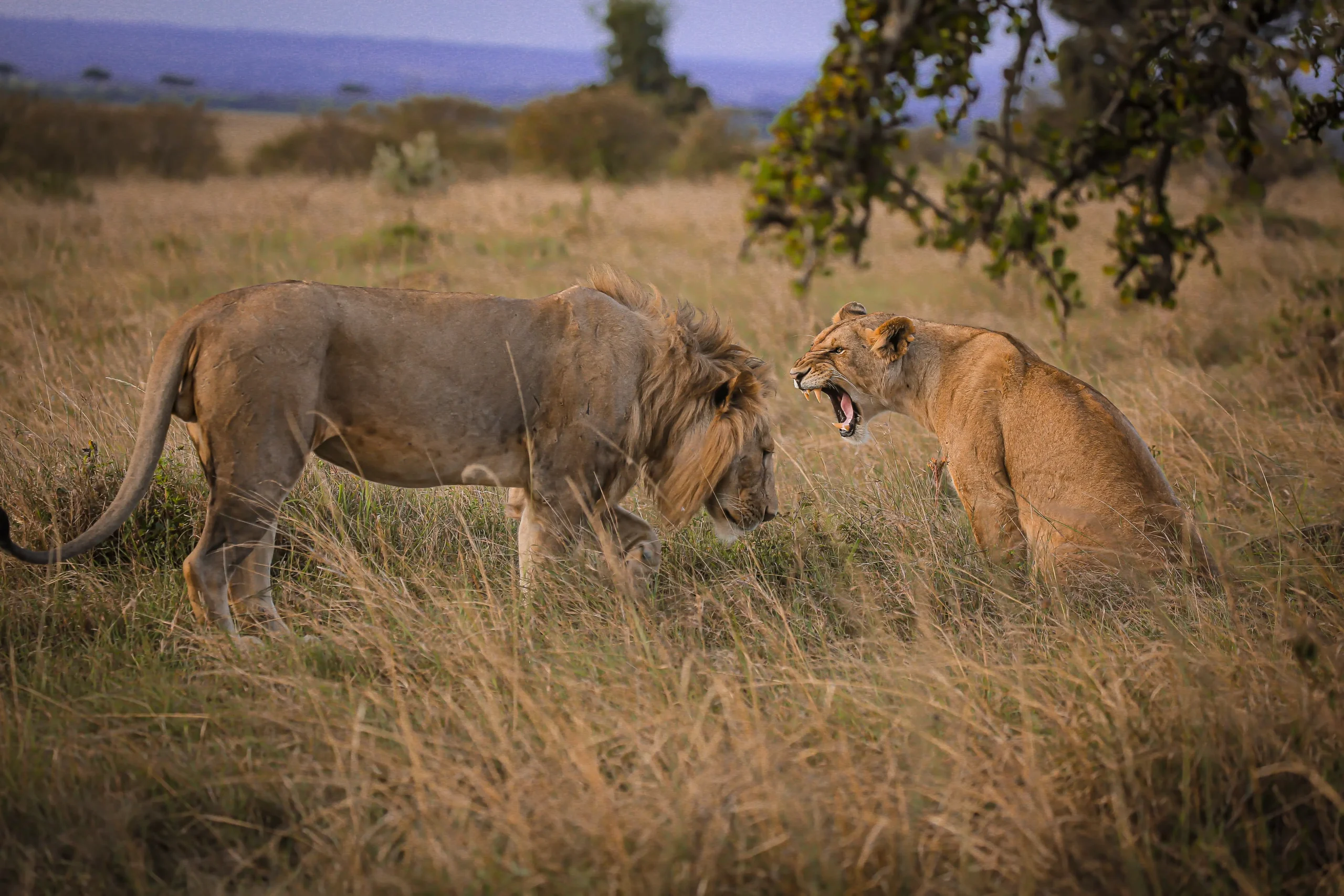
Why are females of most animal species choosier about their mates than males?
In many animal species, females are choosier about their mates because they typically have a higher reproductive cost than males. This means that the energy and resources required for females to produce eggs or bear young are greater than those required for males to produce sperm.
As a result, females are more selective in choosing mates because they want to ensure that their offspring have the best chance of survival.
In addition to this, selection pressures may also shape the evolution of different mating strategies. In polygynous mating systems where males have multiple mates, males tend to be more competitive and showy to attract females, while females tend to be choosier to ensure that they are mating with the fittest males.
Whereas in monogamous mating systems, both sexes may invest more in finding the best partner and bonding with them.
Overall, many factors like resources available, predation pressure, and social systems may shape the evolution of different mating strategies.
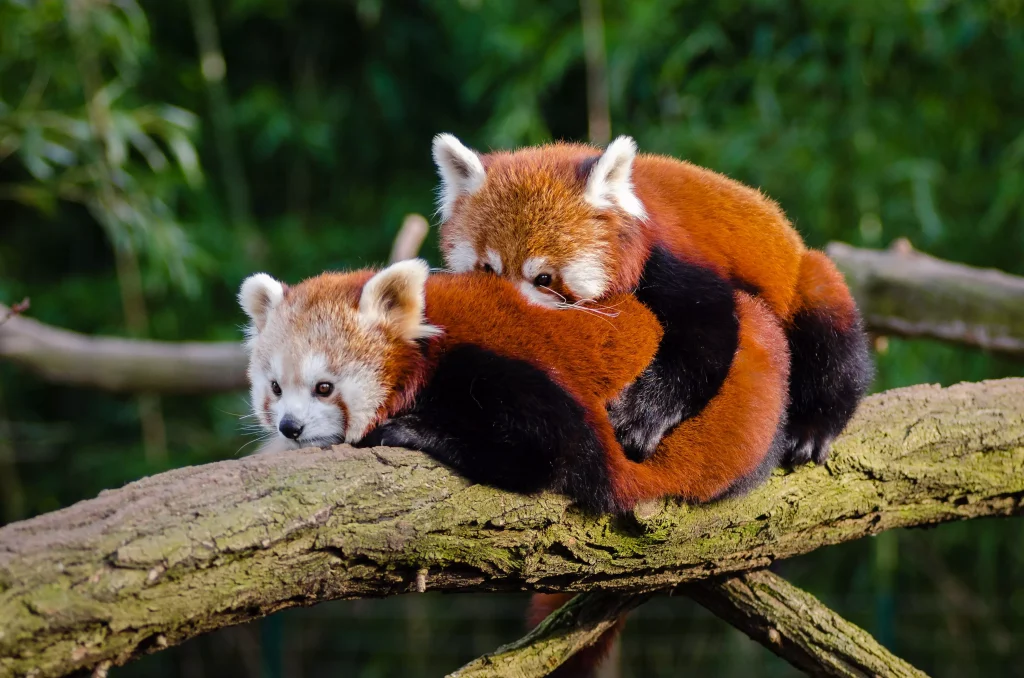
Are female animals more dominant than males?
It depends on the species and the specific context. In some animal species, females are more dominant than males, while in others, the opposite is true.
For example, in elephants, females form the backbone of social structure, and they lead their family groups, while males tend to be solitary. In lions, the females are the primary hunters and are responsible for protecting the pride, while males defend the pride’s territory. Similarly, in meerkats, females are the dominant members of the group and the males are submissive.
However, there are also species where males are more dominant than females, such as gorillas, where the males are the leaders of the group. In some species, such as many bird species, both sexes have similar roles and responsibilities, and there is no clear dominance of either sex.
It’s also worth noting that dominance is not always determined by size or physical strength, it can also be determined by social behaviors, such as aggression, alliances, and communication.
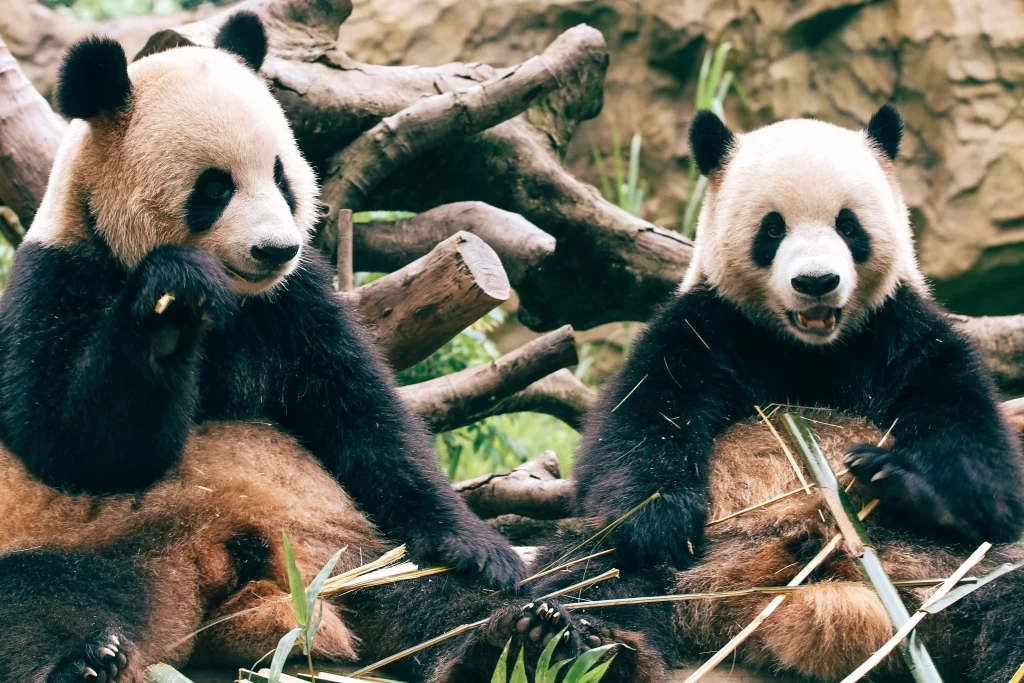
Why do the females of most species choose their mates?
In many animal species, females choose their mates because they typically have a higher reproductive cost than males. This means that the energy and resources required for females to produce eggs or bear young are greater than those required for males to produce sperm. As a result, females are more selective in choosing mates because they want to ensure that their offspring have the best chance of survival.
Females can also choose their mates based on genetic quality or the ability of the male to provide resources or protection. For example, in some species, females choose males with specific physical characteristics, such as colorful plumage or elaborate courtship displays, as these traits are thought to indicate the genetic quality or good health. In other species, females may choose males that have a territory with resources or that have a reputation as a good hunters.
In some species, males compete for the attention of females, displaying conspicuous characteristics or behaviors that females find attractive. This is known as sexual selection, where females select males based on their physical or behavioral traits, and this pressure leads to the evolution of these traits.
It’s also worth noting that the mating behaviors and preferences can vary widely between different species, and can change over time, depending on the environmental conditions, population density, and other factors.

Why do females prefer dominant males?
Females of many animal species may prefer dominant males for several reasons.
One reason is that dominant males often have better access to resources, such as food, territory, or nesting sites. These resources can help to ensure the survival of the female and her offspring.
By choosing a dominant male, a female may increase the chances that her offspring will have access to these resources as well.
Another reason is that dominant males often have better genetic qualities. Dominant males may be larger, stronger, or healthier than other males, which can indicate that they have better genes that will be passed on to their offspring. This can also be seen in many species where the males have a specific physical characteristic that indicates their dominance, such as larger antlers, bigger manes, or colorful plumage.

Additionally, dominant males may be better protectors of their mates and offspring, which can increase their chances of survival.
It’s also worth noting that the concept of dominance is not the same across all animal species, and it can vary widely depending on the species and the social structure of the population. In some species, dominance is based on physical characteristics and aggressive behaviors, while in others, it is based on more subtle social cues or relationships.
In any case, it’s also important to note that the mating behaviors and preferences can vary widely between different species, and can change over time, depending on the environmental conditions, population density, and other factors.

Do female animals avoid males?
Female animals can avoid males for various reasons depending on the species and the circumstances. Some examples include:

- Female animals may avoid males during certain times of the year, such as when they are not in estrus or not ready to reproduce.
- Female animals may avoid males that are not attractive to them, such as males that are sick or injured, or males that have poor-quality genes.
- Female animals may avoid males that are too aggressive or pushy, as this can be a sign of poor genetic quality or a lack of resources.
- Female animals may avoid males that are already paired up with another female, as this can indicate that the male is not a good mate.
- In some species, females can also avoid males by being more selective in their mating behaviors, such as choosing specific males based on their physical characteristics or behaviors. This can be seen in some species where the females are more likely to choose males with bright plumage, larger antlers, or other physical characteristics that indicate good genetic quality or other desirable traits.
It’s also worth noting that the concept of avoiding is not the same across all animal species, and it can vary widely depending on the species and the social structure of the population. In some species, females may avoid males entirely, while in others, they may simply be more selective in their mating behaviors.

In any case, it’s also important to note that the mating behaviors and preferences can vary widely between different species, and can change over time, depending on the environmental conditions, population density, and other factors.
.
