
How do you guarantee a passing interview?
Here are a few tips to guarantee to pass a job interview:
- Dress appropriately: Dressing appropriately for an interview is important, as it can make a good impression on the interviewer and show that you are serious about the opportunity. Here are some tips for dressing appropriately for an interview:
- Dress professionally: Choose professional attire that is appropriate for the position you are applying for. For men, this typically means wearing a suit and tie, while for women, a suit or dress pants and a blouse are usually appropriate. Avoid wearing overly casual clothes or clothing that is too revealing.
- Be well-groomed: Make sure that your hair is clean and well-groomed, and that your nails are clean and trimmed.
- Wear appropriate shoes: Wear shoes that are clean and in good condition, and that are appropriate for the position you are applying for. Avoid wearing sandals or flip-flops, as these are not typically considered professional attire.
- Accessorize appropriately: Choose accessories that are subtle and appropriate for the position you are applying for. Avoid wearing loud or flashy jewelry, as it can be distracting.Remember, it’s important to dress appropriately for an interview to show that you are professional and serious about the opportunity.

- Grooming: Grooming is an important part of preparing for an interview, as it can help to make a good impression on the interviewer and show that you are serious about the opportunity. Here are some tips for grooming for an interview:
- Wash and style your hair: Make sure your hair is clean and well-groomed. If you have long hair, consider pulling it back into a professional style, such as a ponytail or bun.
- Trim your nails: Make sure your nails are clean and trimmed. Avoid wearing nail polish or fake nails, as they can be distracting.
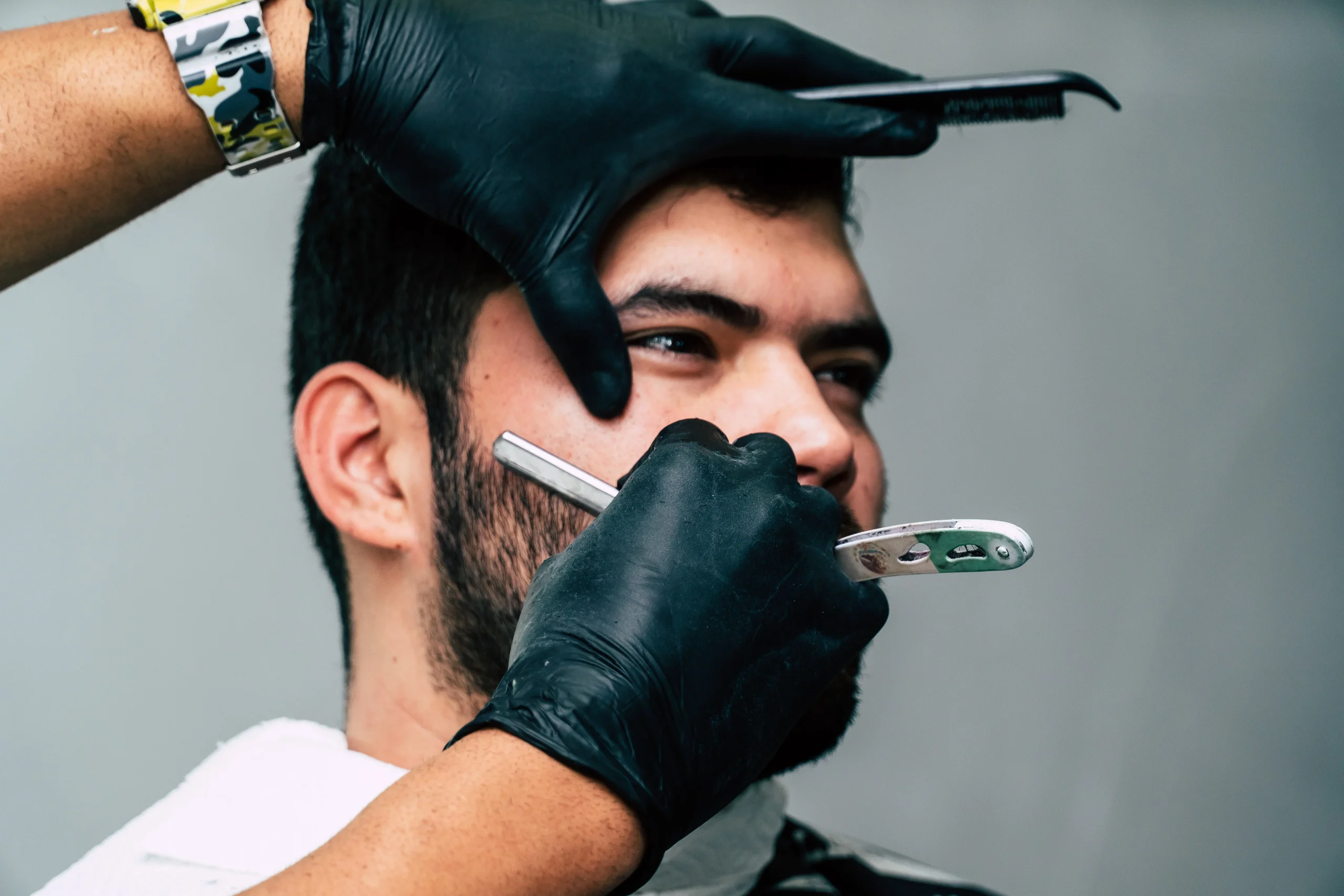
- Shave or groom your facial hair: If you have a beard or mustache, make sure it is well-groomed and trimmed. If you are clean-shaven, make sure to shave the morning of the interview to avoid any stubble.
- Wear minimal makeup: If you wear makeup, choose subtle, natural-looking shades that are appropriate for a professional setting. Avoid wearing heavy or flashy makeup.
- Dress appropriately: Choose professional attire that is appropriate for the position you are applying for. Make sure your clothes are clean, ironed, and in good condition. Remember, grooming is an important part of preparing for an interview, as it can help you make a good impression on the interviewer.
- Posture: Stand tall and sit up straight. This will help you look confident and show that you are engaged in the conversation.Good posture is important in an interview, as it can help you look confident and professional. Here are some tips for maintaining good posture during an interview:
- Sit up straight: Sit up straight in your chair and avoid slouching. Keep your feet planted on the ground and your back straight.
- Keep your shoulders relaxed: Avoid hunching your shoulders or tensing up. Keep your shoulders relaxed and natural.
- Keep your head up: Avoid looking down or tilting your head too far to one side. Keep your head up and maintain eye contact with the interviewer.
- Avoid fidgeting: Fidgeting can be distracting and may give the impression that you are nervous or unprepared. Avoid playing with your hair, tapping your foot, or fidgeting with your hands.
- Use hand gestures appropriately: Use hand gestures naturally and appropriately to emphasize your points. Avoid gesturing excessively or in a way that is distracting.
Remember, good posture is important in an interview, as it can help you look confident and professional.

- Make eye contact: Maintaining eye contact shows that you are confident and interested in the conversation.Maintaining eye contact during an interview is important, as it can show the interviewer that you are confident and engaged in the conversation. Here are some tips for making eye contact during an interview:
- Look at the interviewer’s eyes: Make an effort to look directly at the interviewer’s eyes when speaking or listening. Avoid looking at other parts of their face or looking around the room.
- Maintain eye contact for a reasonable amount of time: It’s important to maintain eye contact, but don’t stare at the interviewer the entire time. Take breaks to look down or to the side, and then return your gaze to the interviewer.
- Be natural: Avoid forcing eye contact or staring intensely, as this can be uncomfortable for both you and the interviewer. Just be natural and try to maintain a comfortable level of eye contact.
- Make eye contact with multiple people: If you are being interviewed by a panel or a group, make an effort to make eye contact with each person in turn. This shows that you are paying attention and that you are interested in what they have to say.
- Practice: Practice making eye contact in everyday situations, such as during conversations with friends or family. This can help you feel more comfortable making eye contact during an interview.Remember, maintaining eye contact during an interview is important, as it shows the interviewer that you are confident and engaged in the conversation.
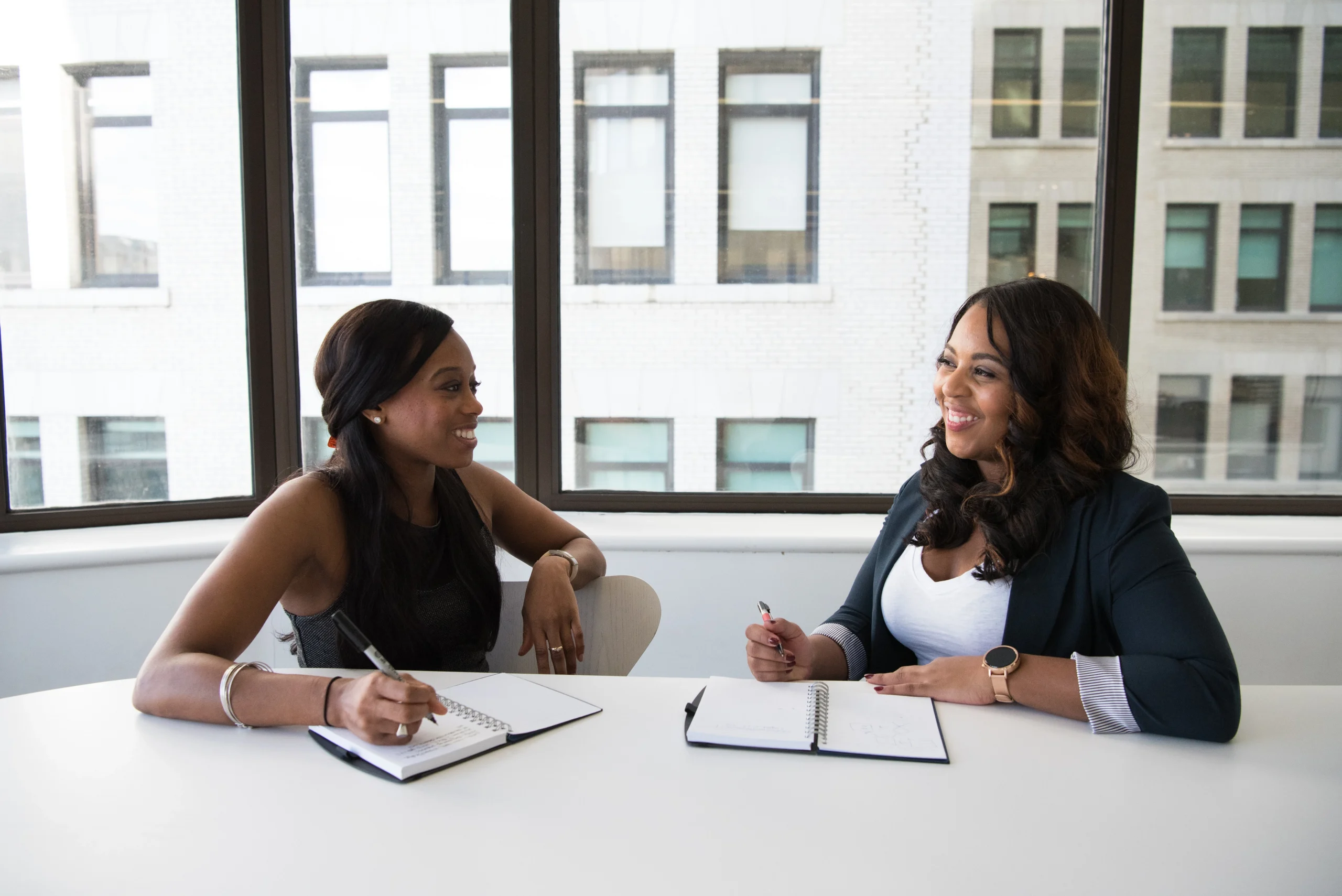
- Be positive: Show enthusiasm for the job and the company.Staying positive during an interview is important, as it can help you make a good impression on the interviewer and show that you are confident and enthusiastic about the opportunity. Here are some tips for staying positive during an interview:
- Prepare ahead of time: Research the company and the position beforehand, and come up with specific examples of your skills and experiences that relate to the job. This can help you feel more confident and positive during the interview.
- Practice positive body language: Use positive body language, such as making eye contact, smiling, and sitting up straight, to show that you are confident and enthusiastic.
- Stay focused: Stay focused on the interview and avoid getting distracted by external factors or your own negative thoughts.
- Stay calm: Try to stay calm and composed, even if you feel nervous. Take deep breaths and remind yourself that it’s normal to feel anxious in an interview setting.
- Be honest: Be honest about your strengths and weaknesses, and don’t be afraid to admit if you don’t know the answer to a question. This shows that you are authentic and confident in your own abilities.
Remember, staying positive during an interview is important, as it can help you make a good impression on the interviewer and show that you are confident and enthusiastic about the opportunity.

- To pass the interview, it’s important to be prepared: Here are some tips for preparing to answer interview questions:
- Review the job description: Review the job description carefully and make a list of the skills and experiences that the company is looking for.
- Practice common interview questions: There are many common interview questions that you can expect to be asked. Some examples include “Tell me about yourself,” “Why do you want to work for our company?” and “What are your strengths and weaknesses?” Practice answering these types of questions to help you feel more prepared.
- Prepare specific examples: Have specific examples of your skills and experiences ready to share with the interviewer. This can help you to answer questions more effectively and show that you are a good fit for the position.
Remember, the key to preparing for interview questions is to be well-informed about the company and the position, and to practice answering common questions in advance.

- Research the company and the position beforehand, so you have a good understanding of what they are looking for.
Researching a company before an interview is an important step in preparing for the interview, as it can help you understand the company’s culture and goals, and demonstrate to the interviewer that you are interested in the opportunity. Here are some ways to research a company before an interview:
- Visit the company’s website: The company’s website is a good starting point for learning about the company’s products, services, and mission.
- Search for news articles: Look for news articles that mention the company, as they can provide insight into the company’s recent accomplishments, challenges, and future plans.
- Check out the company’s social media accounts: Follow the company on social media, such as Twitter and LinkedIn, to get a sense of its culture and values.
- Talk to current or former employees: If you know someone who works for the company or has worked for the company in the past, ask them about their experience and what it’s like to work there.
- Research the company’s competitors: It’s also a good idea to research the company’s competitors, as this can give you a sense of the company’s market position and how it compares to its rivals.
Remember, researching a company before an interview can help you understand the company’s culture and goals, and demonstrate to the interviewer that you are interested in the opportunity.

- Practice answering common interview questions, and have a few examples of your skills and experience ready to share. Asking questions during an interview is a good way to demonstrate your interest in the position and the company, and to clarify any concerns or uncertainties you may have. Here are some tips for preparing questions to ask in an interview:
- Think about your own goals and interests: Consider what you hope to gain from the job and what your long-term career goals are. You may want to ask about opportunities for growth and advancement within the company.
- Avoid asking about salary and benefits: It’s generally best to wait until later in the hiring process to ask about salary and benefits. Instead, focus on asking questions that demonstrate your interest in the position and the company.
- Practice your questions: Practice your questions beforehand so that you feel more comfortable and confident when asking them during the interview.
Remember, asking questions during an interview is a good way to demonstrate your interest in the position and the company, and to clarify any concerns or uncertainties you may have.

- It’s also important, to be honest, and genuine and to listen carefully to the interviewer’s questions.Being honest, genuine, and a good listener during an interview is important, as it can help you make a good impression on the interviewer and show that you are sincere and interested in the opportunity. Here are some tips for being honest, genuine, and a good listener during an interview:
- Be authentic: Be yourself and don’t try to be someone you are not. The interviewer wants to get to know the real you, so be genuine and don’t try to hide your true personality.
- Answer questions honestly: It’s important, to be honest in your answers, as the interviewer may be able to tell if you are not being truthful. If you don’t know the answer to a question, it’s okay to admit it and say that you will find out.
- Listen carefully: Pay attention to the interviewer’s questions and try to listen carefully to what they are saying. This shows that you are interested in the opportunity and are taking the interview seriously.
- Ask for clarification: If you don’t understand a question or need more information, don’t be afraid to ask for clarification. This shows that you are paying attention and that you want to give the best answer possible.
- Show enthusiasm: Show enthusiasm for the opportunity and let the interviewer know that you are excited about the chance to work for their company.
Remember, being honest, genuine, and a good listener during an interview is important, as it can help you make a good impression on the interviewer and show that you are sincere and interested in the opportunity.

- Finally, don’t be afraid to ask questions of your own, as this shows that you are engaged and interested in the opportunity. It’s natural to feel nervous or anxious before an interview, as it can be a stressful and unfamiliar situation. Here are some tips for overcoming your fear of interviews:
- Prepare beforehand: Research the company and the position beforehand, and practice answering common interview questions. This can help you feel more confident and prepared for the interview.
- Practice relaxation techniques: There are many relaxation techniques that you can use to help calm your nerves before an interview, such as deep breathing, visualization, or progressive muscle relaxation.
- Consider seeking support: If your fear of interviews is causing significant anxiety or interfering with your ability to perform well in job interviews, you may want to consider seeking support from a mental health professional.
- Remind yourself of your strengths: Remember that you are qualified for the position and have skills and experiences that make you a strong candidate. Focusing on your strengths can help you feel more confident and less afraid.
- Be patient with yourself: It’s okay to feel nervous or anxious before an interview. Try to be patient with yourself and recognize that it’s normal to feel this way in an unfamiliar situation.
Remember, it’s natural to feel nervous or anxious before an interview, but there are steps you can take to overcome your fear and perform at your best.